
What's included
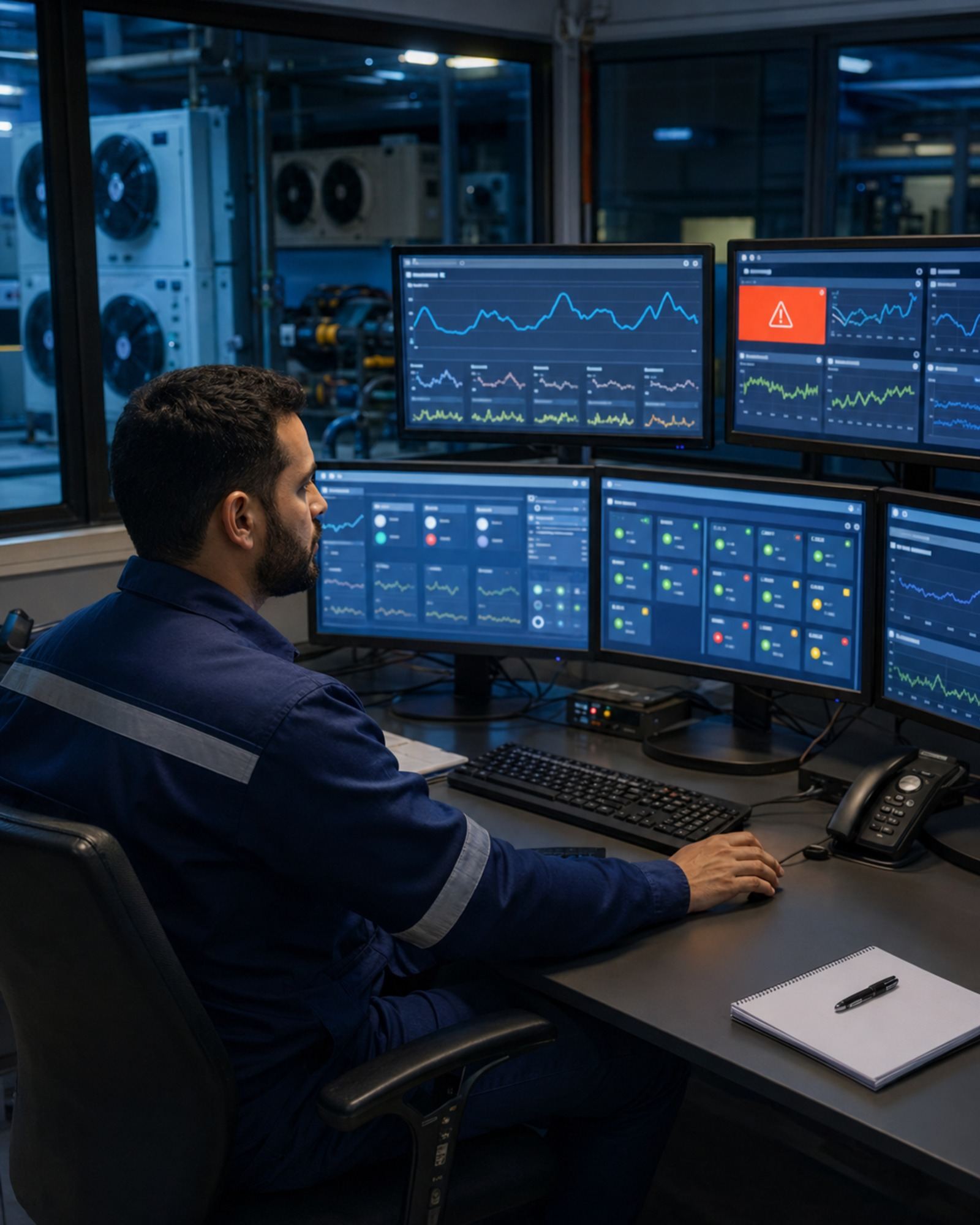
- On-duty team in shifts, 24 hours
- Periodic verification rounds
- Team dispatch when deviations are identified, according to the agreed protocol
- Arrival time based on location and contract
- Incident reports
Why monitor
A cold room can lose temperature when nobody is around: overnight, on weekends, on holidays. If the deviation is only noticed when the site opens the next day, the product is already lost. Monitoring shortens that gap: the team follows the operation in shifts and dispatches service according to the contracted protocol.
The protocol is set with the operation during integration: which points are critical, what counts as a deviation and how the team is dispatched. Each incident generates a report, which reveals patterns and helps plan maintenance.
How it works
-
Integration: we map your operation and critical points
-
Watch: the team follows in shifts, with rounds
-
Detection: we monitor deviations to guide intervention according to the agreed protocol
-
Response: team dispatch, with arrival times based on location and contract
Signs your operation needs monitoring
- Product losses discovered only when the site opens the next day
- Cold rooms left unattended at night and on weekends
- Local alarms that go off with no one there to hear them
- High-value product or product that requires a temperature record
- More than one site, with no single view of the operation
Who it is for
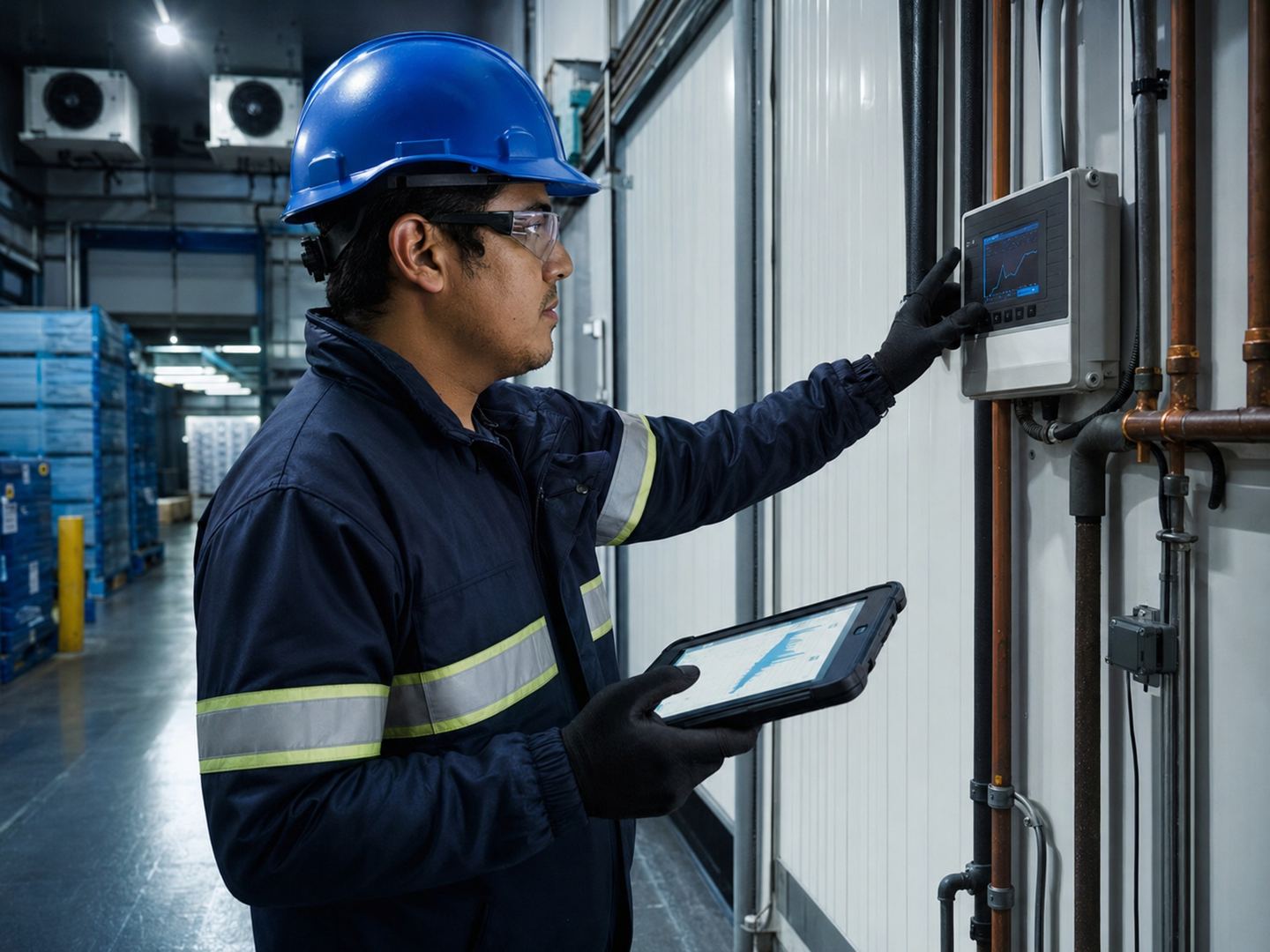
- Operations where a cold shutdown means loss: supermarkets, distribution centers, food industry, cold storage plants, agribusiness.
FAQ
Do you monitor equipment from any manufacturer?
Yes. Monitoring is about your refrigeration operation, regardless of the equipment brand.
What happens when a problem is detected?
The team on duty assesses the incident and arranges a response according to the agreed protocol. On-site arrival times are determined by location and contract.
Does monitoring replace preventive maintenance?
No, they complement each other. Preventive maintenance lowers the chance of failure; monitoring detects deviations and alerts the team according to the agreed protocol.
Does monitoring run overnight and on weekends?
Yes. The team works in shifts, 24 hours a day, with periodic rounds.
How does monitoring start?
With integration: we map the operation and its critical points and define the dispatch protocol with you. From then on, the team follows the operation in shifts, and every deviation generates an incident report.
What is the right temperature for a cold room?
It depends on the product and the specification that applies to it. Frozen goods are usually kept at −18 °C or below; chilled goods are kept in ranges above 0 °C defined per product. Monitoring tracks the range set for each room in the protocol.
Let's assess your monitoring needs
Tell us the city and state, system type and critical operating periods.
- 24/7 emergency service
- In-house engineering in the field
- Over 15 years in operation
- Smart Cold authorized service provider